
Knowing how to act in an emergency can be the difference between life and death. Whether at work, home or in public, first aid knowledge equips individuals to provide assistance before professional help arrives. Understanding the fundamentals covered in emergency first aid training courses empowers people to respond effectively in critical moments.
Managing Unconscious Casualties
When someone’s unresponsive, checking their airway, breathing and circulation is essential. Placing them in the recovery position maintains an open airway and prevents choking. Regular emergency first aid training courses ensure individuals can recognise danger signs while awaiting paramedics.
Performing CPR
Cardiopulmonary resuscitation is one of the most vital first aid techniques. It involves chest compressions and rescue breaths to maintain oxygen flow to the brain and organs. Providers of emergency first aid training courses can give participants some hands-on experience by teaching them the correct rhythm, depth and speed of compressions to improve survival rates.
Responding to Choking and Burns
Choking and burns are common emergencies that demand swift action. Emergency first aid training courses teach how to clear airway obstructions and how to cool and dress burns to prevent infection and further injury. Experts suggest around 1,000 people in the UK suffer serious burns weekly, underscoring the need for greater first aid awareness.
Treating Bleeding and Shock
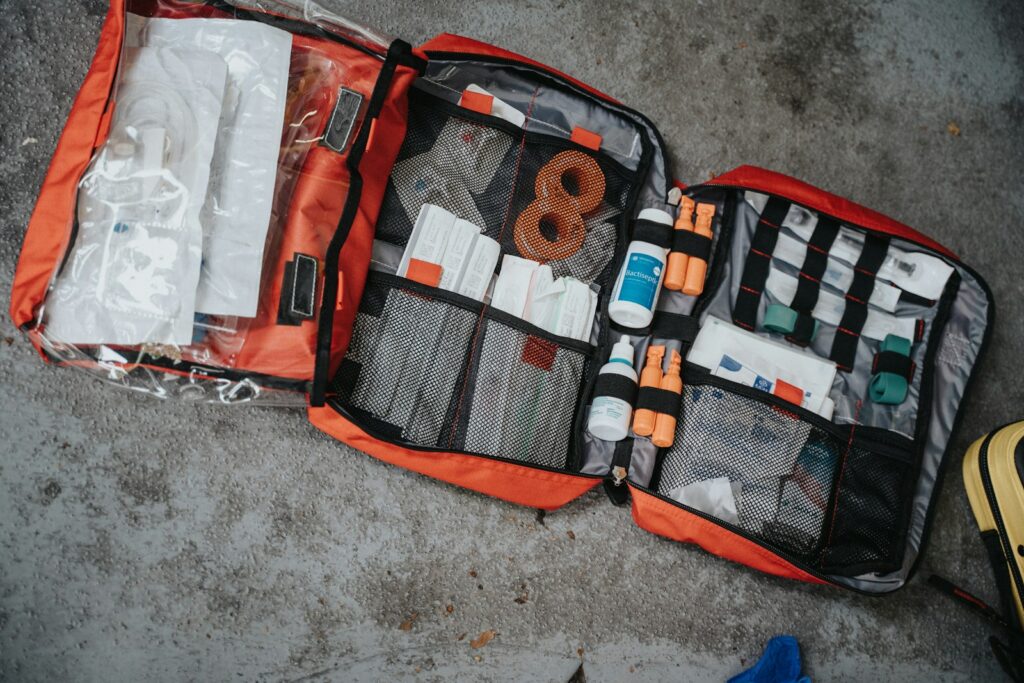
Uncontrolled bleeding can lead to shock within minutes. Applying pressure, elevating the wound if possible and reassuring the casualty are crucial first steps. Participants in emergency first aid training courses learn how to control blood loss, use bandages and identify when immediate professional help is required.
FAQ
What should you do for an unconscious casualty?
First of all check the airway, breathing and circulation of an unresponsive person and then place them in the recovery position in order to prevent choking. Regular training will help you recognise an emergency and in the meantime do something to help until an ambulance arrives. This can happen anywhere: at home, at work or in public.
What does CPR involve?
CPR (cardiopulmonary resuscitation) is a technique that involves chest compressions and rescue breaths to keep oxygen flowing to the brain and other vital organs. Correct performance of CPR, including the rhythm, depth and rate of compressions, improves survival rates and can be learned through practical training on a course.
What do first aid courses teach about choking and burns?
First aid courses show you how to remove an airway obstruction from a person who is choking and show you how to cool and dress a burn to prevent infection and further injury. Both of these require very quick action and it is estimated that around 1,000 serious burns occur weekly in the UK. With that sort of injury happening on a regular basis, wider first aid awareness is very important.
How do you treat serious bleeding and shock?
Apply pressure to the wound, elevate if possible and reassure the casualty. It’s very important to remember that uncontrolled bleeding can lead to shock within minutes. You’ll also learn about the use of bandages to manage a wound and how to recognise a case that requires immediate medical assistance.